



Midi dresses occupy a useful middle ground between shorter and full-length dresses, making them one of the most adaptable choices in a modern wardrobe. The hemline usually falls somewhere from just below the knee to the lower calf, while the silhouette, fabric, neckline, and sleeves determine how the finished outfit looks and feels. With so many silhouettes available, understanding the different types of midi dresses can make it easier to choose a style that suits the occasion, season, and personal preference. From relaxed cotton designs to sculpted evening pieces, this versatile length can work across a wide range of settings.
The appeal of midi dressing comes from how easily one length can work across different settings. A simple style can be worn with flats for daytime errands, while a more structured version can be paired with heels and refined accessories for an evening event. Understanding the cut behind each design makes it easier to choose a dress that suits the occasion rather than selecting one based only on colour or print.
What Makes a Midi Dress Different?
The defining feature of a midi dress is its hemline rather than a particular shape. Unlike a mini dress, which finishes considerably higher on the leg, a midi extends below the knee. A maxi generally reaches the ankle or floor, while a midi stops somewhere between those extremes. This is why understanding the types of midi dresses by silhouette is more useful than focusing on length alone.
This distinction gives designers considerable freedom. The same hem length can be combined with a fitted bodice, flowing skirt, defined waist, button-front construction, or layered panels. As a result, the types of midi dresses available can look completely different even though they share the same basic length.
Fabric also changes the character of a midi. Lightweight cotton and linen create an easy daytime appearance, while crepe, satin, lace, or embellished materials can make the same length appropriate for a more formal setting. Sleeve design has a similar effect, particularly when seasonal coverage is important.
Classic Midi Dress Styles to Know
The most useful way to understand types of midi dresses is to look at their construction. Each silhouette creates a different balance between structure, movement, comfort, and visual emphasis.
Looking at the main types of midi dresses individually also makes it easier to identify which construction suits a particular occasion.
A-Line Midi Dress
An A-line midi has a relatively fitted bodice before gradually widening from the waist toward the hem. The resulting shape resembles the letter A and creates an easy transition from the upper body into the skirt.
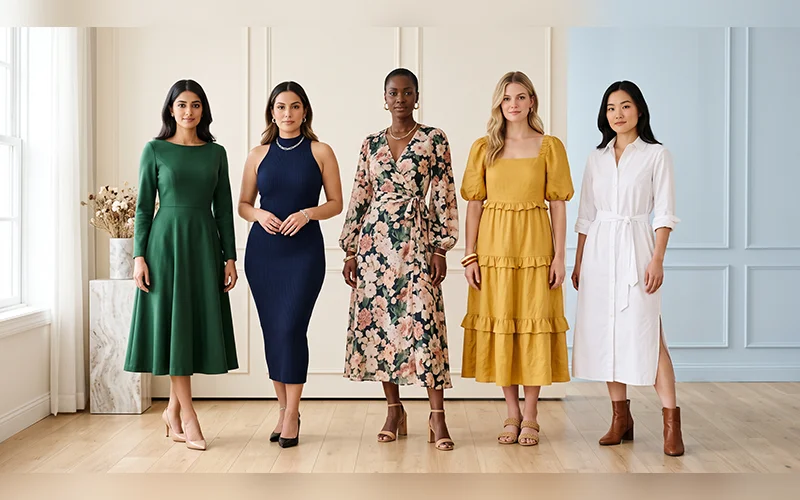
This construction allows comfortable movement without producing the volume of a heavily gathered dress. It works particularly well for daytime occasions, semi-formal gatherings, and garden events. Depending on the fabric, an A-line design can appear relaxed, polished, or distinctly dressy. Among the most versatile types of midi dresses, the A-line silhouette is especially easy to adapt from casual to semi-formal dressing.
Bodycon Midi Dress
Bodycon designs follow the body’s shape closely from the upper portion through the skirt. Stretch jersey, ribbed knit, and other flexible materials are commonly used because they allow the dress to maintain its close-fitting shape while remaining wearable.
The longer hem gives this fitted silhouette a more balanced appearance than a much shorter bodycon style. Smooth fabrics can create a sleek evening look, whereas ribbed or knitted versions tend to feel more casual.
This makes it one of the more distinctive types of midi dresses for evening-focused wardrobes.
Wrap Midi Dress
A wrap dress closes by bringing one side of the front across the other and securing it around the waist. This construction normally creates a V-shaped neckline and gives the wearer some flexibility in adjusting the fit.
Among the types of midi dresses, the wrap silhouette stands out for its practical waist definition. It can be made from fluid materials for a relaxed appearance or from more structured fabric for a polished outfit.
Its adjustable construction also makes this one of the more practical types of midi dresses for changing from relaxed to polished styling.
Tiered Midi Dress
Tiered dresses use horizontal sections of fabric layered down the skirt. Each section adds movement and can create a flowing shape without relying on a rigid structure.
This style is particularly suited to warm-weather dressing, holidays, outdoor gatherings, and relaxed daytime occasions. Cotton, linen blends, chiffon, and other lightweight fabrics work well with the layered construction.
The result is one of the most relaxed types of midi dresses for warm-weather wardrobes.
Shirt Midi Dress
The shirt dress borrows familiar details from a traditional button-down shirt, including a collar, front buttons, and sometimes cuffs. A belt or self-tie can be added to create more definition at the waist.
Its tailored details make it easy to move between casual and polished settings. Flat shoes create a relaxed outfit, while loafers or low heels can give the same dress a more refined appearance.
Midi Dresses With Sleeves
Sleeves can substantially change the character of a midi dress. They affect coverage, proportions, seasonal practicality, and the overall visual impression. The Types of midi dresses with sleeves range from barely-there cap sleeves to dramatic bell shapes and full-length sleeves.
Puff Sleeve Midi Dresses
Puff sleeves gather additional fabric around the shoulder before narrowing farther down the arm. The extra volume creates a noticeable shoulder line and introduces a romantic, vintage-inspired detail.
When combined with a simple skirt, puff sleeves can become the main decorative feature of the outfit. They work particularly well for garden parties, daytime celebrations, brunches, and less formal wedding settings.
Long Sleeve Midi Dresses
Long sleeves extend from the shoulder to the wrist and provide considerably more coverage than shorter alternatives. They are practical during transitional weather and can also contribute to a sophisticated evening silhouette.
A close-fitting knitted version can create a streamlined cold-weather outfit, while a flowing floral design can feel lighter and more romantic. Boots, closed-toe shoes, and simple outer layers complement this style during cooler months.
Bell Sleeve Midi Dresses
Bell sleeves widen toward the wrist, creating movement as the arm moves. The shape introduces a distinctive bohemian influence and can make a relatively simple dress look more expressive.
Because the sleeve already provides visual movement, accessories can remain relatively restrained. Flowing fabrics particularly emphasize the effect of the sleeve as the material moves around the body.
Cap Sleeve Midi Dresses
Cap sleeves provide minimal shoulder coverage and extend only a short distance over the upper arm. Their small scale keeps the dress visually light and works particularly well with summer fabrics.
A cap-sleeve design can also appear more tailored when combined with a high neckline, clean seams, and a structured material. It is a useful option when some sleeve detail is preferred without adding substantial coverage.
Casual Midi Dresses for Everyday Wear
A casual midi dress with sleeves can function as an uncomplicated everyday outfit because it combines useful coverage with enough structure to look intentionally styled. The fabric and sleeve design usually determine whether the dress feels more like relaxed weekend wear or a practical transitional outfit.
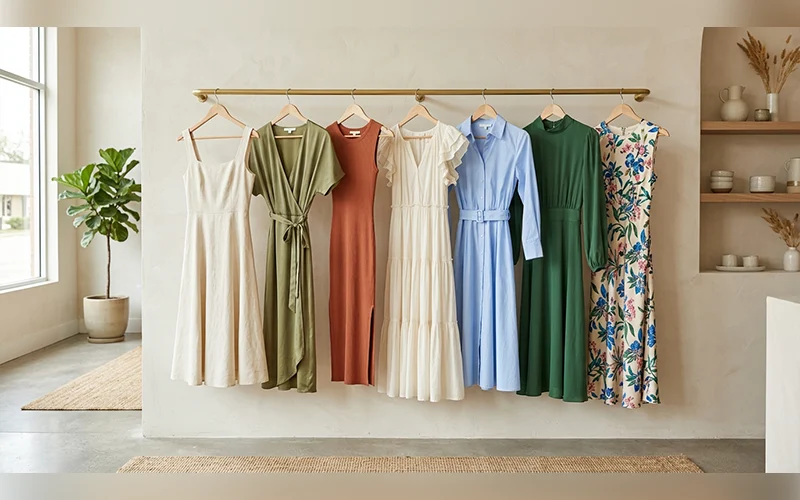
Short and Puff Sleeve Midis
Cotton and linen versions are particularly suitable for warm days. Short sleeves keep the upper body comfortable, while puff sleeves add shape without requiring elaborate accessories.
For an uncomplicated daytime outfit, the dress can be worn with flat sandals, canvas sneakers, or simple ballet flats. A lightweight tote and understated jewellery are enough to complete the look.
Long Sleeve and Knit Midis
Knit versions are useful when temperatures become cooler but a heavy outfit is unnecessary. Ribbed textures can add visual interest while maintaining a simple silhouette.
Lightweight cotton knits work during transitional seasons, while warmer sweater constructions can be paired with boots and a jacket. The result can remain comfortable without looking overly informal.
Midi Dresses for Weddings and Special Events
The midi length works particularly well for wedding guests because it can adapt to different levels of formality. Fabric, colour, embellishment, and accessories determine whether the finished outfit feels suitable for a daytime ceremony or an evening reception.
For Midi dresses for wedding occasions, the invitation’s dress code and venue should guide the final choice. A floral chiffon dress may suit an outdoor celebration, while satin or lace can create a more formal appearance.
Satin and Silk Midi Dresses
Satin and silk have a fluid drape and a noticeable surface sheen, which makes them particularly effective for cocktail events and evening receptions. The fabric catches light as it moves and can give a relatively simple silhouette a luxurious appearance.
Because the material already creates visual interest, accessories do not need to be excessive. Minimal jewellery and refined footwear can keep the outfit balanced.
Floral and Organza Midi Dresses
Floral prints naturally suit spring and summer celebrations, particularly when combined with lightweight fabrics. Organza and chiffon can introduce softness and movement without making the dress excessively heavy.
These materials are especially effective for garden or outdoor weddings where a romantic appearance fits the surroundings. Comfortable footwear becomes important when the event involves grass, uneven paths, or extended standing.
Lace and Embellished Midi Dresses
Lace overlays, embroidery, appliqués, and subtle embellishment can increase the formality of a midi dress. These details work particularly well for traditional ceremonies, evening celebrations, and occasions where a more refined appearance is expected.
When the dress contains substantial texture, keeping other elements restrained prevents the outfit from becoming visually crowded.
Elegant Midi Dresses for Dressier Looks
A sophisticated Midi Dress elegant enough for a formal occasion usually depends on more than the hemline. Fabric quality, construction, drape, finishing, and silhouette all contribute to the final effect.
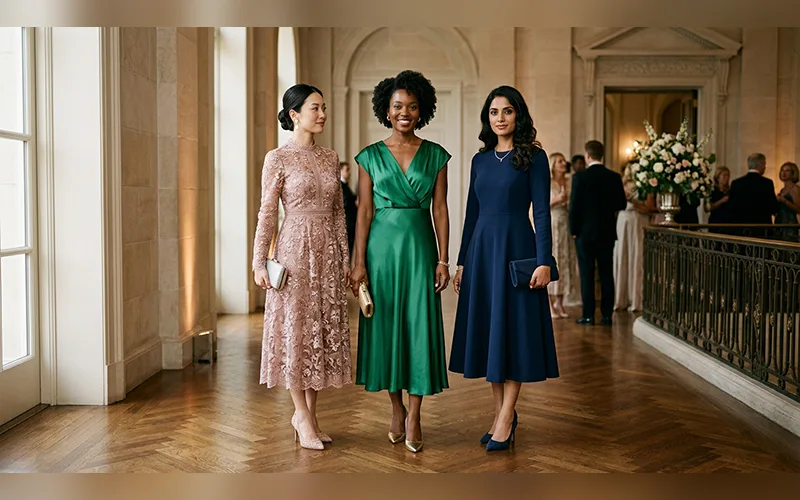
Tailored and Sculpted Midis
Structured crepe, ponte, and Mikado can hold a clean shape and create a more architectural appearance. Tailored seams, controlled draping, and carefully placed design details can make the silhouette look precise rather than overly decorative.
These styles work well when the occasion calls for polished dressing without the length of a traditional floor-length gown.
Lace, Sequin, and Textured Midis
Texture can become the main feature of a formal dress. Lace, sequins, beading, embroidery, and appliqués provide depth and can catch light differently as the wearer moves.
The rest of the outfit can remain relatively simple when the dress contains extensive surface detail. Neutral shoes and a compact clutch often provide enough finishing structure.
Fluid Satin and Shimmering Midis
Fluid satin and shimmering fabrics move differently from heavier tailored materials. Their soft drape creates a flowing outline, while their reflective surface becomes more noticeable under evening lighting.
These dresses can suit cocktail hours, receptions, formal dinners, and other evening occasions where movement and subtle shine are appropriate.
Professional Midi Dresses for Work
A workplace dress needs to balance coverage, comfort, and structure. A Midi Dress professional enough for an office environment generally benefits from clean lines, moderate necklines, controlled detailing, and fabrics that maintain their shape throughout the day.
Tailored Sheath Midis
A sheath silhouette follows the body’s general shape without the dramatic flare of an A-line skirt. Structured crepe, ponte, and similar materials can provide a smooth finish while remaining comfortable during a working day.
Subtle paneling, restrained ruching, or a distinctive collar can add interest without making the dress appear overly decorative. Closed-toe shoes and a structured bag can reinforce the professional styling.
Polished Shirt Dresses
A shirt dress offers an easy combination of tailoring and practicality. Its collar and button-front construction create a naturally organized appearance, while a belt can provide additional waist definition.
This style can work for office days, meetings, and business-casual environments. Changing the footwear can also shift the outfit from relaxed daytime dressing toward a more formal work appearance.
Sophisticated Wrap Midis
A wrap construction allows the waist to be adjusted and gives the skirt room to move. For professional environments, versions with moderate V-necklines and controlled fabrics tend to look more polished.
Cotton-modal blends, midweight linen, and other fabrics with enough structure can make the silhouette practical without losing its feminine shape.
A-Line Midi Dresses With Different Sleeves
A flared skirt and sleeve detail can work together to create a balanced silhouette. A Midi A Line Dress with sleeves is particularly versatile because the same basic shape can be adapted for different seasons and occasions.
Short and Puff Sleeve A-Line Midis
Short sleeves keep the dress suitable for warmer conditions, while puff sleeves add volume around the shoulders. That shoulder detail can visually echo the gradual flare of the skirt, creating a cohesive shape.
Cotton versions suit daytime use, while chiffon or other flowing fabrics can make the design more appropriate for a dressier occasion.
Long Sleeve A-Line Midis
Long sleeves introduce additional coverage and make the A-line silhouette practical for cooler weather. A soft knit version can feel comfortable and relaxed, while a flowing printed fabric can appear more sophisticated.
This combination is also useful when an event calls for a covered but feminine outfit without resorting to a floor-length dress.
Formal Midi Dress Styles
The difference between everyday and formal dressing often comes down to construction and material rather than length alone. A Formal Midi Dress Elegant in appearance may feature a defined silhouette, premium-looking fabric, sophisticated detailing, or a combination of these elements.
For evening occasions, structured crepe creates a different impression from fluid satin. Lace introduces texture, while sequins and beadwork provide noticeable light reflection. The neckline and sleeve treatment also affect the final level of formality.
A formal midi does not necessarily need extensive decoration. A clean sculpted silhouette in a beautiful fabric can appear just as intentional as an embellished design. The right footwear, handbag, and jewellery should complement the dress rather than compete with it.
Formal Midi Dresses for Weddings
Wedding dressing requires attention to both the event’s formality and its setting. A Formal Midi Dress for wedding celebrations can work particularly well when the dress combines refined fabric with an appropriately polished silhouette.
Evening ceremonies may suit satin, lace, embellishment, or darker sophisticated tones, while daytime celebrations can accommodate lighter colours, floral patterns, chiffon, and airy fabrics. Venue conditions should also influence footwear and outer layers.
Guests should also consider practical movement. A dress may look impressive while standing still but become inconvenient if the skirt restricts walking or the fabric requires constant adjustment. Comfort contributes directly to how confidently the outfit can be worn throughout a long celebration.
Compare Different Midi Dress Styles
When you compare different types of midi dresses, the most useful factors are silhouette, construction, comfort, and occasion rather than appearance alone. Two dresses may have similar lengths but behave very differently because of their materials and cuts.
| Dress Style | Silhouette | Main Advantage | Suitable Settings |
| A-Line | Fitted upper body with gradual flare | Easy movement and balanced proportions | Daytime, work, garden events |
| Bodycon | Close-fitting from top to hem | Creates a sleek, defined outline | Date nights, parties, evenings |
| Wrap | Overlapping front with waist tie | Adjustable fit and waist definition | Brunch, work, semi-formal events |
| Shirt Dress | Button front with collar | Combines structure and versatility | Office, travel, daytime |
| Tiered | Layered horizontal skirt panels | Movement and relaxed comfort | Vacations, weekends, outdoor events |
| Sheath | Streamlined, figure-skimming shape | Clean and polished appearance | Business and formal occasions |
| Pleated | Repeated folded fabric | Adds texture and controlled movement | Work, celebrations, dinners |
This comparison also shows why different types of midi dresses should not be judged by length alone. The silhouette determines how the garment sits on the body, while fabric influences movement, breathability, structure, and overall formality.
How to Choose the Right Midi Dress
With so many types of midi dresses available, starting with the occasion makes the selection process much simpler. A lightweight tiered dress may be practical for a summer outing, while a structured sheath may be more appropriate for an office or formal gathering.
Next, consider fabric. Cotton and linen are generally useful for warm conditions, while knits provide additional warmth. Satin, lace, chiffon, and embellished materials can increase the dress’s suitability for celebrations and evening occasions.
Sleeve length should also match the weather and the level of coverage desired. Short sleeves and cap sleeves keep the outfit visually light, whereas long sleeves can make the same hemline feel more substantial.
Finally, consider footwear and accessories before making a purchase. A dress that works with several shoe styles and layering pieces can become considerably more useful than one designed for only a single event.
Styling Tips for Midi Dresses
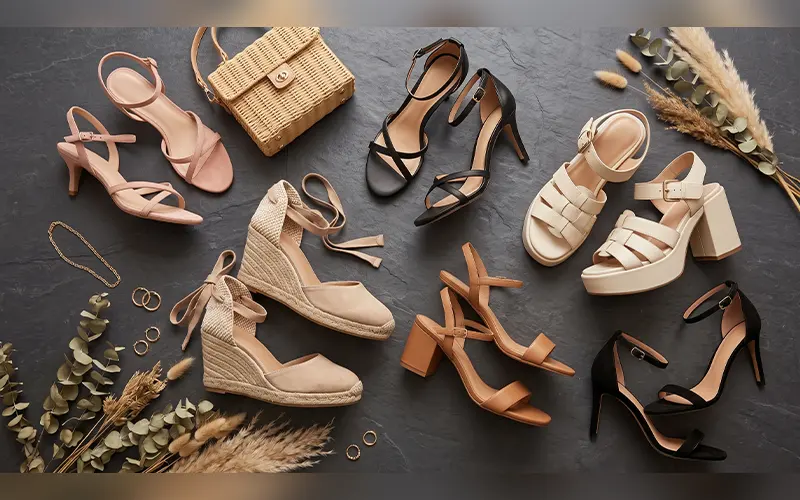
The shoes you choose can significantly shape the overall look of the outfit. Sandals and sneakers create a relaxed daytime direction, loafers can make a shirt dress feel more polished, and heels can increase the formality of a satin or tailored design.
Belts are useful with silhouettes that have a defined waist or a naturally loose shape. A narrow belt can subtly emphasize the waist, while a wider version creates a stronger visual division between the bodice and skirt.
Outer layers should complement rather than hide the dress. A cropped jacket can work with a fuller skirt, while a longer tailored blazer can complement a streamlined silhouette. During cooler weather, boots and structured coats can add practical coverage without changing the fundamental character of the dress.
Accessories should follow the amount of detail already present. A heavily embellished dress generally needs fewer decorative elements, whereas a simple solid-colour silhouette gives more freedom to introduce statement jewellery or a distinctive handbag.
Conclusion
The variety of types of midi dresses comes from the many ways designers combine one versatile hemline with different silhouettes, fabrics, sleeves, and construction details. A-line styles provide an easy flared shape, bodycon designs create a closer outline, wrap dresses offer adjustable waist definition, and tiered versions emphasize movement.
The same length can also move comfortably between casual, professional, wedding, and formal dressing. Choosing the right option therefore depends less on the word “midi” itself and more on the dress’s construction, material, sleeve style, occasion, and desired level of formality.
With those details in mind, a midi dress can serve as a practical everyday piece, a polished work outfit, or a sophisticated choice for a special event without requiring a completely different approach to dressing.
Frequently Asked Questions
Which midi dress styles are available for different occasions and looks?
The main types of midi dresses include A-line, bodycon, wrap, tiered, shirt, sheath, pleated, and fit-and-flare designs. They can also differ by sleeve construction, fabric, neckline, and level of formality.
Which midi dress styles work well for wedding celebrations?
The right choice depends on the dress code, venue, season, and time of day. Satin, chiffon, lace, floral, and embellished designs can all work when their level of formality matches the celebration.
Are midi dresses suitable for formal occasions?
Yes. A midi can be formal when it uses an appropriate silhouette, refined fabric, and sophisticated finishing. Satin, crepe, lace, structured materials, and embellishment can all increase formality.
What midi dresses are best for work?
Sheath, shirt, wrap, and structured A-line designs are practical choices for many professional environments. The neckline, fabric, colour, and amount of decoration should remain appropriate for the workplace.
Which midi dresses work best with sleeves?
Almost any midi silhouette can incorporate sleeves. Puff, cap, bell, short, and long sleeves can each change the character of the same dress shape.
Can midi dresses be worn casually?
Yes. Cotton, linen, jersey, lightweight knit, and relaxed tiered designs are particularly suitable for everyday wear. Sneakers, flats, or sandals can reinforce a casual direction.
What shoes go best with midi dresses?
The right shoes can vary based on the dress style, setting, and overall look you want to create. Sneakers and sandals suit relaxed looks, loafers work well with polished daytime styles, and heels or dressy flats can complement formal designs.
Are A-line midi dresses flattering?
An A-line construction is popular because the gradual skirt flare creates a balanced outline and allows comfortable movement. Its overall effect also depends on the waist position, fabric, neckline, and individual fit.
How should a midi dress fit?
The fit should allow comfortable movement without unnecessary pulling or excessive looseness. Pay attention to the shoulder, bust, waist, and hip areas, as well as where the hem falls on the leg.
How does a midi dress differ from a maxi dress?
A midi dress typically falls somewhere between the knee and mid-calf, whereas a maxi dress has a much longer hemline that reaches close to the ankles or even the floor. The difference is primarily determined by hem length. Understanding these distinctions makes it easier to choose among the types of midi dresses for different occasions.
How do I choose between different midi dress styles?
Consider the occasion, fabric, silhouette, sleeve length, and desired level of coverage. Comparing these factors can help you select from the types of midi dresses that best suit your outfit needs.
For more articles like this, visit our site: https://factbreaker.com/