


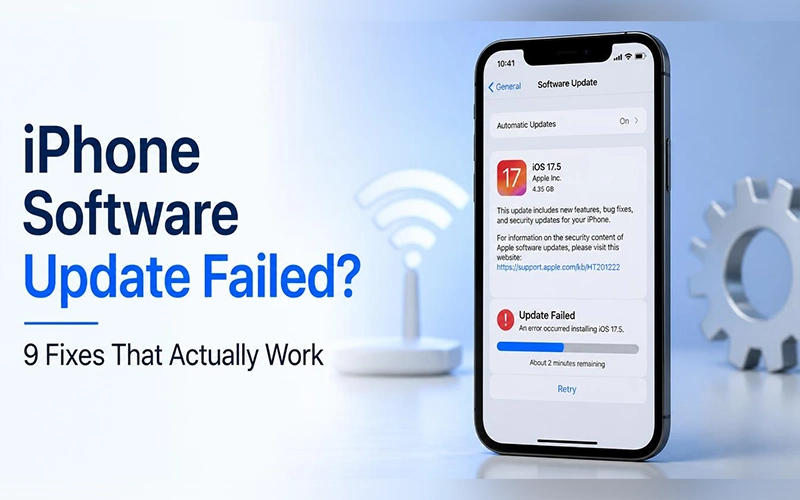
You tap Update, the progress bar creeps along, and then it stalls or throws an error. If you’re asking why is uhoebeans software update failing, the cause is usually small: a shaky connection, a nearly full device, or a half-downloaded file. “Uhoebeans” isn’t an Apple feature, so this guide starts with the iOS and iPadOS update on your device, then covers extra steps in case Uhoebeans is a separate app or desktop tool. The fixes run from the easiest to the most involved.
What Does This Update Error Really Mean?
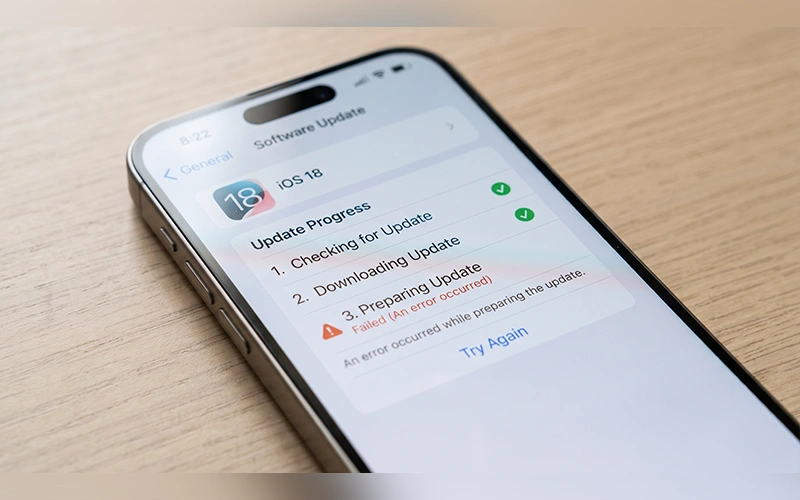
An update can fail at three points: when the device contacts Apple’s servers, while the file downloads, or during installation. Each stage has its own causes, which is why one vague message can point in several directions.
Large updates are the most fragile. They need a steady connection and enough room to unpack, so a single dropped connection or a shortage of space can leave a damaged file that the installer rejects.
Common Reasons Your Update Keeps Failing
- Weak or unstable Wi-Fi
- Storage that is almost full
- A leftover beta profile or a software glitch
- A damaged, partly downloaded update file
- Heavy traffic on Apple’s servers
- A low battery
- A device too old for the new version
Anyone asking why is the software update failing on iPhone will usually find the answer somewhere in that list.
iPhone vs iPad: Is the Problem Different?
The causes are nearly identical on both devices. Only the menu names change, with “iPhone Storage” on one and “iPad Storage” on the other. If you’re wondering why is the software update failing on iPad, check the same things first, and stay on the Software Update screen with the tablet plugged in until the download finishes.
A frequent complaint, Unable to Check for Update on iPad, usually traces back to an outdated iPadOS version, a stuck update file, or a DNS problem on your router.
Quick Fixes to Try First
Fix 1: Check Your Internet Connection
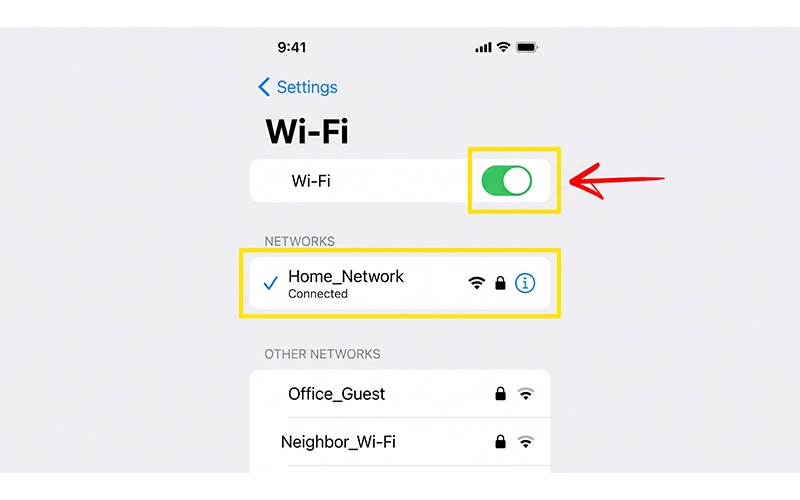
Switch Wi-Fi off and on, then restart your router. Turning Airplane Mode on for 15 seconds and off again also refreshes the connection. If your router offers both 2.4 GHz and 5 GHz bands, join the 5 GHz one for steadier speed at close range. If the error stays, try another network, such as a phone hotspot. A large download needs a steady signal, not just a strong one.
Fix 2: Free Up Storage Space
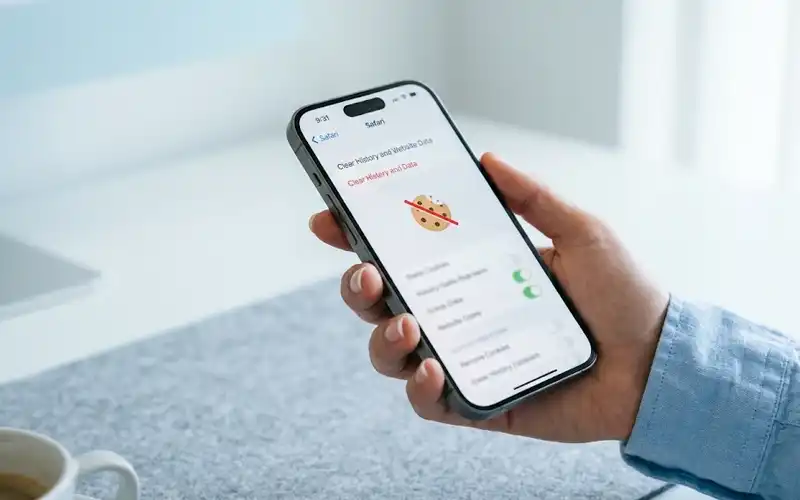
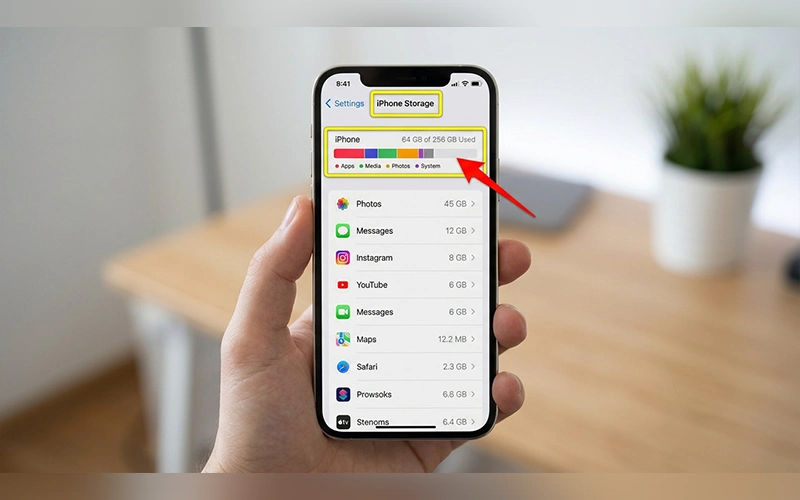
Go to Settings > General > iPhone Storage (or iPad Storage) and aim for at least 10 GB free. The system needs more room than the download itself, because it has to unpack the package before installing. Offload apps you rarely use and clear old videos or downloaded podcasts. If space is still tight, iOS may offer to remove some apps temporarily and reinstall them afterward, which is safe to accept.
Fix 3: Restart or Force Restart Your Device
A normal restart clears small glitches and stuck background processes. If the update screen is frozen, force restart instead.
- iPhone 8 and later, and iPads without a Home button: Press and release Volume Up, press and release Volume Down, then hold the top or side button until the Apple logo appears.
- iPads with a Home button: Hold the Home and top buttons together until the logo appears.
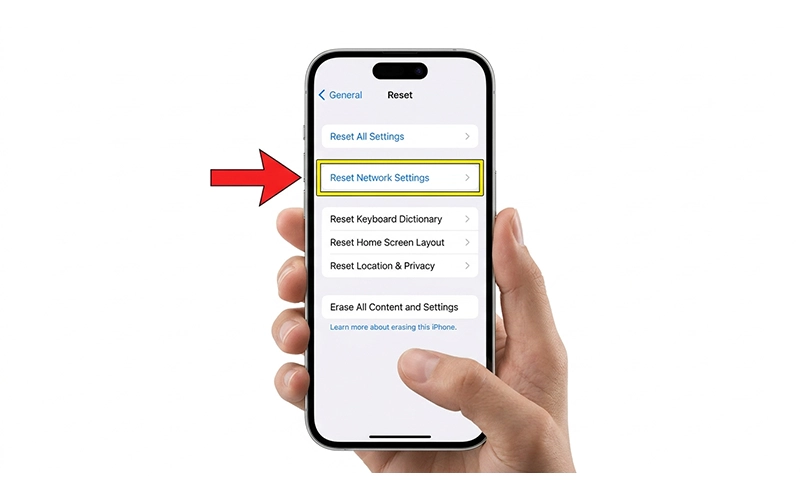
Fix 4: Reset Network Settings
Open Settings > General > Transfer or Reset > Reset > Reset Network Settings. This clears saved Wi-Fi passwords and corrupted network configurations, but it leaves your photos, apps, and messages alone. You’ll need to rejoin your Wi-Fi afterward.
Fixing the “Error Occurred While Checking” Message
When your screen says “An error occurred while checking for a software update,” your device isn’t broken. The check itself didn’t complete, which points to the connection or the device’s clock rather than the update file.
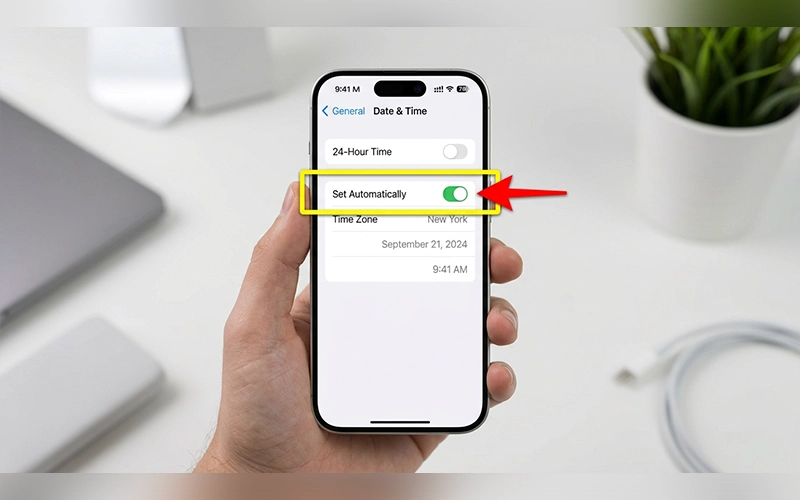
Fix 5: Set Date and Time to Automatic
Go to Settings > General > Date & Time and turn on Set Automatically. A wrong date can make Apple’s secure connection fail, because the device can’t verify the server’s certificate.
Fix 6: Turn Off VPN and Try Again Later
Disconnect any VPN under Settings > General > VPN & Device Management, since update servers can reject proxied connections.
If your iPhone also displays secure connection warnings, learn how to troubleshoot SSL errors on iPhone.
Then wait 10 to 15 minutes and try again. If it still fails, open Apple’s System Status page to see whether any outage has been reported.
Some people see Unable to Check for Update on iPhone on only one network. If that sounds like you, the router is the likely culprit, so test the same phone on mobile data.
If Uhoebeans Is an App or Desktop Tool
Updates for third-party platforms, especially large ones that bundle project management, analytics, and collaboration features, can be heavy. If Uhoebeans is an app you installed rather than the system update, these steps apply.
- Clear the update cache. On a computer, remove the app’s temporary update files so a corrupted partial package from an earlier attempt doesn’t block the new one.
- Offload and reinstall. On iPhone or iPad, go to Settings > General > iPhone Storage, select the app, and tap Offload App. This removes the app itself but keeps your documents and data. Then reinstall it from the App Store.
- Scan system files on Windows. If the update fails on a PC, open Command Prompt as administrator and run sfc /scannow to repair damaged system files that may block the installer.
- Use a wired connection. Ethernet avoids the micro-drops that can corrupt a large download over Wi-Fi.
Update Not Working on Older Devices
Stuck on iOS 15?
Hardware limits are the usual answer to why is uhoebeans software update failing on iOS 15. The iPhone 6s, iPhone 7, and first-generation iPhone SE top out at iOS 15, as do the iPad Air 2 and iPad mini 4. For these models, a newer system version simply doesn’t exist. Software built for newer iOS releases may also expect features that iOS 15 lacks, and older security certificates can cause secure connections to fail. If your device is on that list, the update isn’t broken. The hardware has reached the end of its supported life.
Why Won’t My Phone Update to iOS 17?
Start with compatibility. iOS 17 runs on the iPhone XS, XS Max, XR, and every model released after them, including the second-generation iPhone SE and later. The iPhone 8, 8 Plus, and iPhone X top out at iOS 16 and will never offer iOS 17. Newer releases are stricter still. iOS 26, for example, requires an iPhone 11 or later. Apple’s compatibility list on its website is the quickest way to confirm what your model supports.
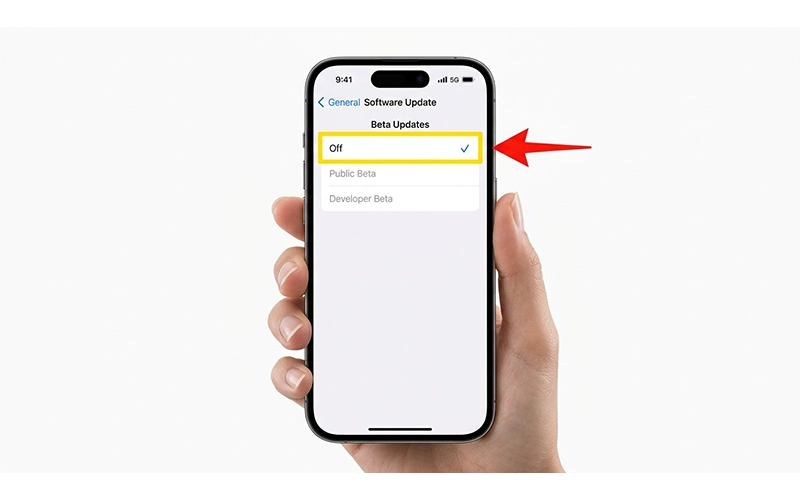
If your phone is on the list, look at the rest of the checklist. An earlier update may never have finished, or a beta profile may be interfering. To check, open Settings > General > Software Update > Beta Updates and choose Off. A low battery can also stop an install from starting, so plug in your charger before retrying.
Why Is the Software Update Taking So Long on a New iPhone 17?
A new iPhone is busy in the background. If you restored from an iCloud backup or transferred data from your old phone, it may still be re-downloading photos, apps, and settings. That traffic competes with the update for bandwidth, and the system update usually loses. A brand-new phone can also be waiting on a first software update before it finishes setup.
Let the restore finish, then plug the phone in, join a stable Wi-Fi network, and run the update overnight.
Advanced Solutions If Nothing Works
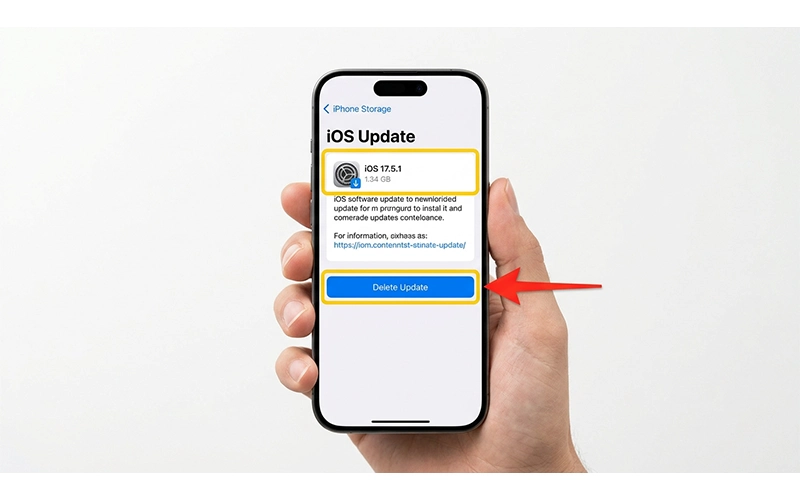
Fix 7: Delete the Downloaded Update File
A corrupted partial download can block every new attempt. Go to Settings > General > iPhone Storage, find the iOS update in the app list, tap it, and choose Delete Update. Restart the device, then open Software Update to download a fresh copy.
For additional troubleshooting steps, see Apple’s guide to fixing iPhone and iPad update problems.
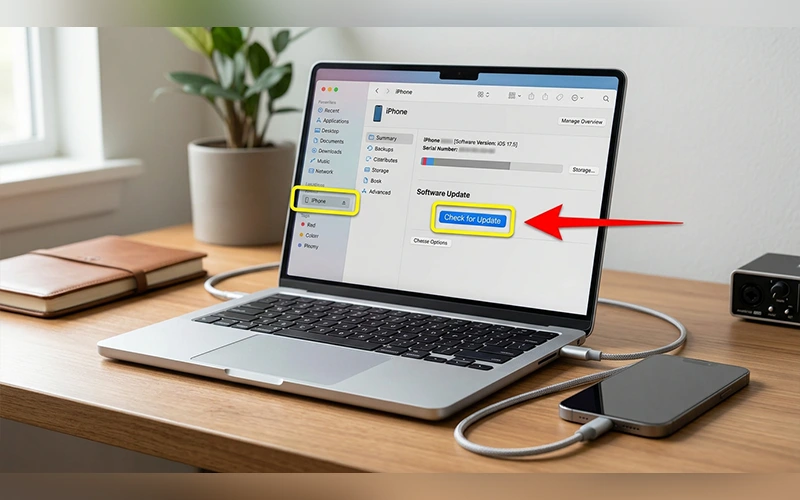
Fix 8: Update Using a Computer
If the wireless route keeps failing, connect your device to a computer with a cable. On a Mac, open Finder and select your device. On Windows, use the Apple Devices app or iTunes. Tap Trust on the device if prompted, then click Check for Update. The computer downloads the file and sends the install to your device, which bypasses the device’s own update checker, often the place where the failure happens.
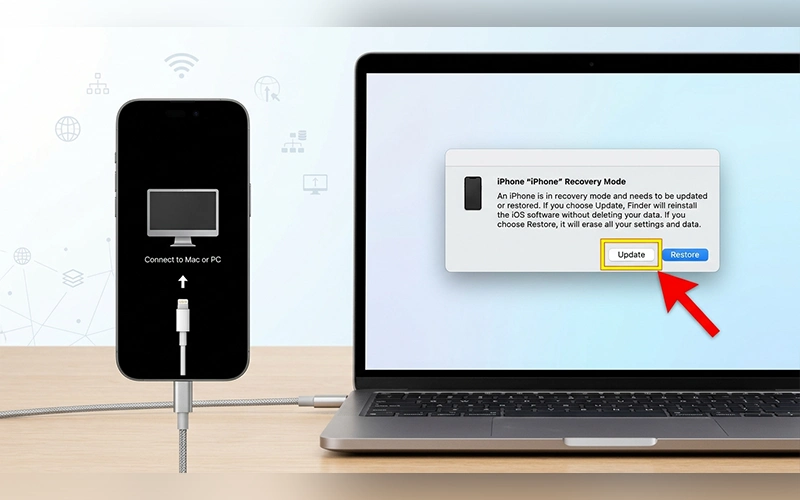
Fix 9: Use Recovery Mode as a Last Resort
Recovery Mode reinstalls the system and can erase your data, so only use it after the other fixes have failed. Connect the device to a computer, enter Recovery Mode using the steps on Apple’s support page for your model, and choose Update rather than Restore. Update tries to keep your data, but treat that as a possibility, not a guarantee.
How to Avoid Update Problems in the Future
- Back up to iCloud or a computer on a regular schedule.
- Turn on Automatic Updates in Settings > General > Software Update so installs happen overnight.
- Delete apps and media you don’t use before storage gets tight.
- Start big updates on a home network you trust, not on public Wi-Fi or mobile data.
When Should You Contact Apple Support?
If you’ve tried all nine fixes and the error remains, or your device is stuck restarting in a loop, book an appointment at an Apple Store or contact Apple Support. At that point the cause may be hardware, such as failing storage, or an Apple Account issue that only Apple can resolve.
Final Thoughts
Most update errors clear up with one of the first few fixes. A device that is simply too old is the main exception, and no setting will change that. In that case, stay on the newest version your model supports and plan a replacement when it suits you.
Frequently Asked Questions
Why is my iPhone not updating even with good Wi-Fi?
A strong signal doesn’t guarantee a clean download. Apple’s servers may be busy, or the device may be holding a damaged update file from an earlier try. Delete that file and try again later in the day.
How long should an iOS update take?
Most updates finish in 15 to 30 minutes, though large ones can take up to an hour. If the progress bar hasn’t moved at all after that, something is wrong.
Is it possible to install the latest iPad update without using a computer?
Yes. Connect to Wi-Fi, plug in the charger, and go to Settings > General > Software Update. A computer is only a backup route for when the wireless method fails.
Is it safe to force restart during an update?
If the device has been stuck on the Apple logo with no progress for over an hour, it’s generally safe. If the bar is still moving, even slowly, wait, because interrupting an active install is what usually causes trouble.
Will updating my iPhone delete my data?
Normal updates keep your photos, apps, and settings. Problems are rare, but a fresh backup beforehand protects you if something goes wrong.
How much storage do I need to update iOS?
The download is only part of it, since the system also needs space to unpack the update. Keeping about 10 GB free is a safe target for most devices.
What does “Unable to Verify Update” mean?
The device couldn’t confirm the update with Apple, usually because the connection dropped or Apple’s servers were busy. Switch networks, wait a while, and try again.
Can I cancel an iOS update once it starts?
You can cancel a download by deleting the update file in iPhone Storage. Once installation begins, it can’t be safely interrupted, so let it finish.
For more articles like this, visit our site: https://factbreaker.com/